Szymon's via ferrata series 1: What is a via ferrata and its history
Table of Contents
Via ferratas have been gaining popularity in recent years. And it's no wonder, as they offer a brilliant adventure. Thanks to them, anyone can experience thrills that were previously reserved only for climbers. But what exactly is a via ferrata? Read on and find out!
What is a via ferrata?
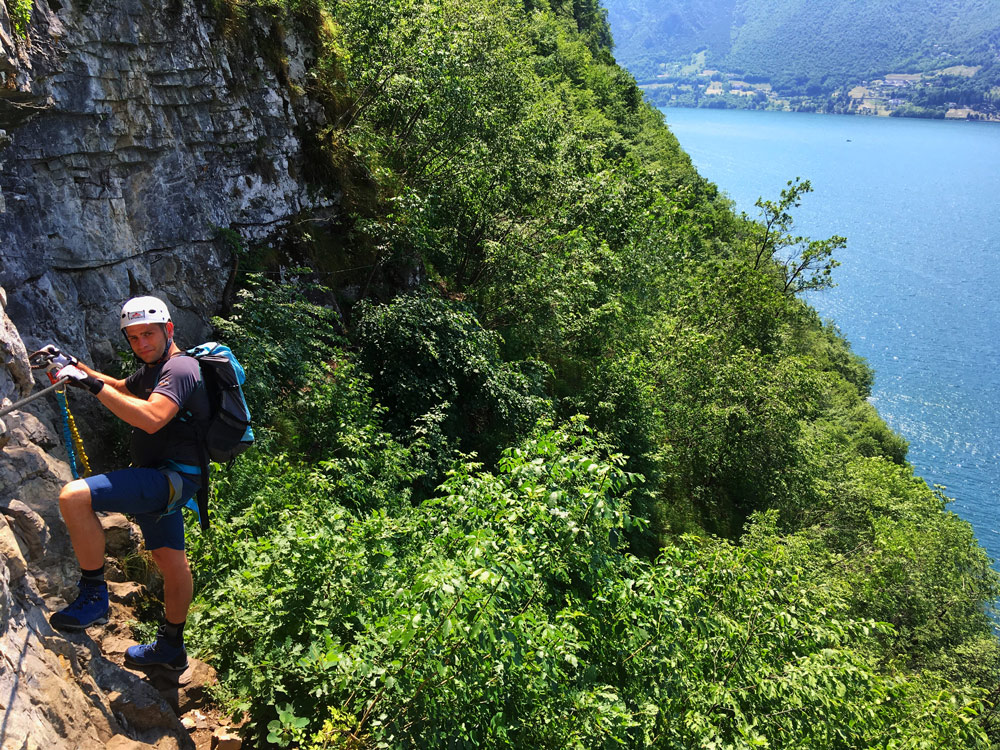
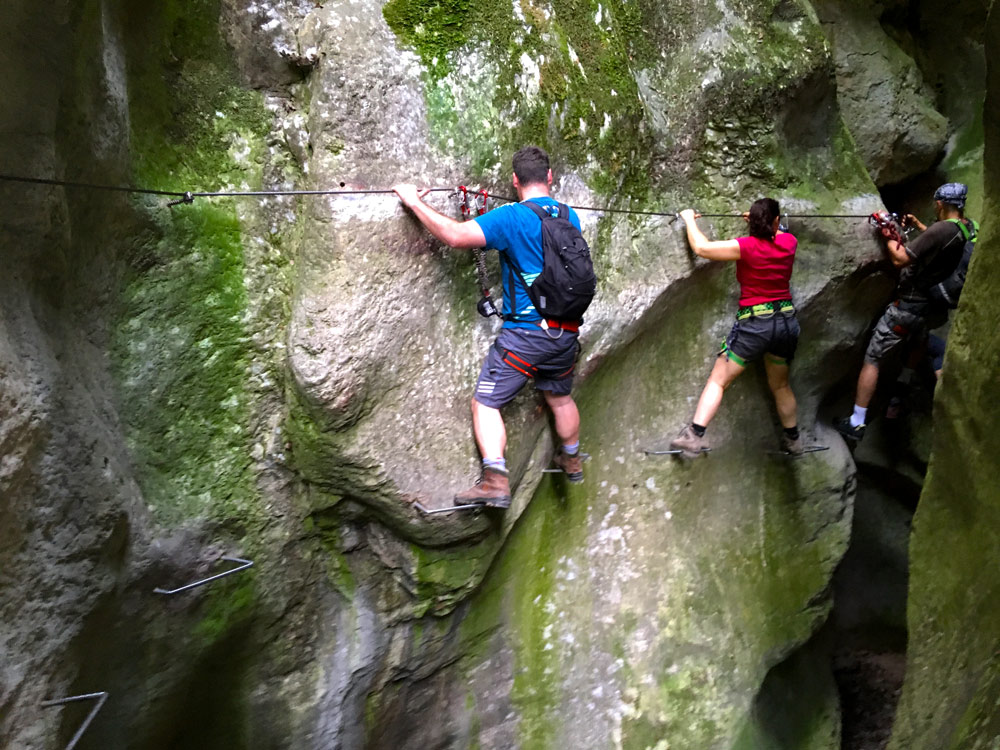
Via ferrata in Italian means "iron path", in German-speaking countries - Klettersteig. On this blog I'll use the Italian term, as it's most commonly used in Poland and other non-German-speaking countries. A via ferrata is a specific type of mountain activity, positioned somewhere between regular hiking and rock climbing. It's relatively safe, considering the statistics. Via ferratas are abundant throughout all Alpine countries, as well as in other places around the world. Poland doesn't have any routes of this type, except for the Orla Perć. Iron paths lead through rocks and are secured with cables, ladders, holds, or metal rungs. The presence of these artificial auxiliary elements is the decisive factor in calling a given route a via ferrata. Walking via ferratas requires relatively little equipment. A climbing helmet, lanyard and harness are the typical set needed to start this adventure. Of course, all other standard mountain equipment is mandatory and must be selected according to the specific route's needs. You don't need knowledge of all the techniques that are necessary for regular climbing. However, you do need some knowledge, which I'll share part of soon :) For your first times, it's best to go with an experienced friend or a guide (in Vienna you can contact the Polish Mountain Association Alpen - Link here) These aren't all the elements necessary for safe movement on via ferratas. In the next posts I'll cover this topic in more depth to better prepare you for a rock adventure!
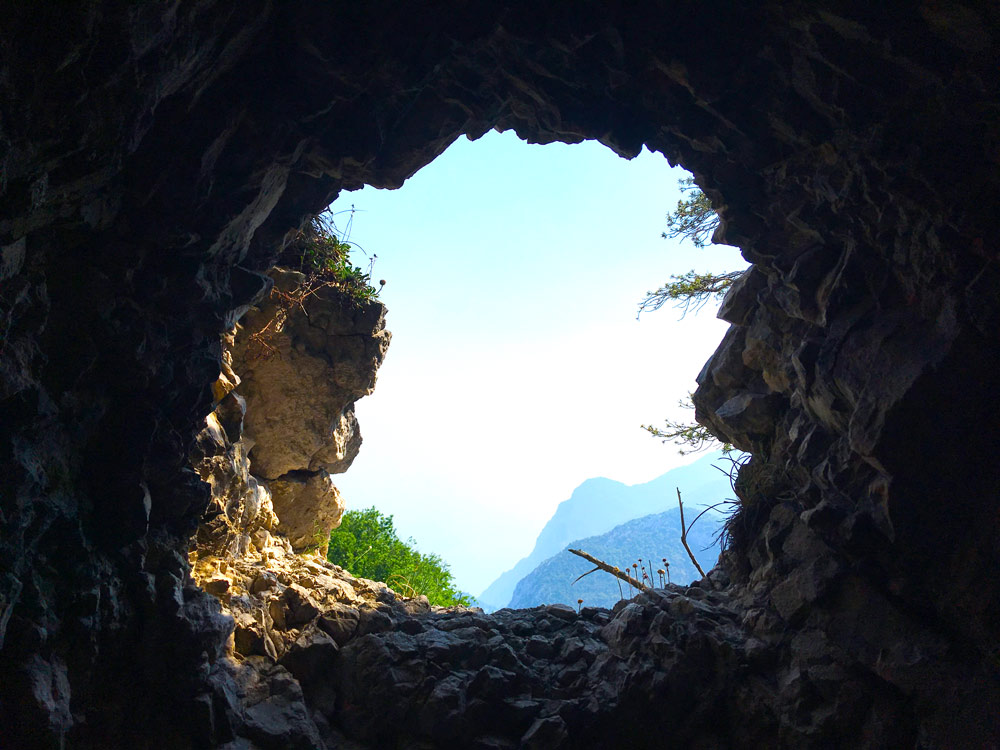
Wejście do tuneli na szczycie Cima Roca
History of via ferratas
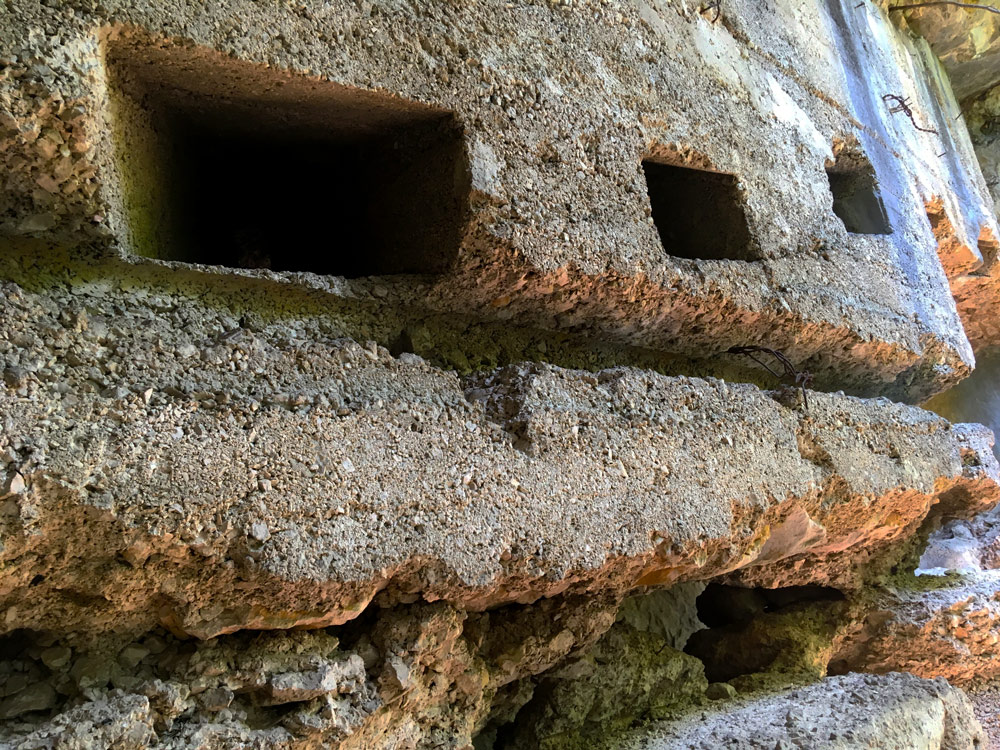
1492. This year Columbus discovered America. And this year our world saw a via ferrata for the first time, which is considered the birth date of alpinism. It happened in France, where King Charles VIII decided to climb Mont Aiguille, considered impossible to conquer at the time. This was made possible by his officer responsible for siege ladders used during sieges. He created something like a mobile via ferrata and together with his monarch stood on the summit. The Alps had to wait a full 350 years for the appearance of proper via ferratas. The Austrian Dachstein had this honor first, in 1843 the Randkluftsteig was created leading to the very summit of this almost-three-thousander (2995 m above sea level). Then in 1873 Zugspitze followed, and after it came a series of new routes throughout the Alps. Unfortunately, via ferratas also have a very painful chapter in their history. That's when the most iron paths were created. It was World War I, the first conflict in human history during which weapons of mass destruction were used. It was a time of brutal mountain warfare between the Austro-Hungarian Empire and Italy over South Tyrol. Every mountain was an object of fighting, which forced the creation of paths for reinforcements or supplies for units. This is how numerous ferratas were created, which to this day are frequented by crowds of tourists. These tragic events are worth keeping in memory, and it's hard to forget them while climbing in the Dolomites. I came across this type of place in the Garda area, it was the Via Ferrata Fausto Susati leading to the summit of Cima Roca, and multiple times in the Dolomites. I felt strange climbing next to fortifications carved into the rock and entrances to an extensive system of silent and cool tunnels. Tunnels that saw much bloodshed. Currently via ferratas play a purely tourist role. Their popularity is growing rapidly, which means routes are regularly being added. To my delight, because via ferratas give "ordinary folks", like me, the opportunity to discover places that previously could only be seen by seasoned alpinists.
What's next?
That's the end of the first post in my mini-series. Next time I'll cover equipment and the via ferrata difficulty scale in more detail. Two very important topics, so stay alert! How did you like my post? Or maybe you already have your first experiences with via ferratas?
Cookie Settings
We use cookies to analyze website traffic and optimize your experience. You can choose which cookies you allow.
Cookie Settings
We use cookies to analyze website traffic and optimize your experience. You can choose which cookies you allow.
Necessary
Required for the website to function properly. Cannot be disabled.
Analytics
Help us understand how visitors use our website to improve it.